Key Takeaways
- Inclusion in senior living means true belonging, not just physical access.
- Thoughtful onboarding and personal touches help new residents feel at home.
- Culturally relevant dining, traditions, and celebrations honor each resident’s identity.
- Team members play a central role in building connection and fostering dignity.
- Knowing what questions to ask on a tour can help you find a community that truly walks the walk.
What Inclusion Really Means in Senior Living Today
You might assume that any senior living community is automatically welcoming, but there’s a real difference between being open and making someone feel like they truly belong. Belonging means your background, your identity, and your preferences are honored every single day, not just acknowledged on paper.
The most genuinely inclusive senior living communities build belonging into their daily culture, from how team members greet residents to how spaces are designed and how traditions are celebrated. That means every person, regardless of ability, cultural background, or identity, can settle in and feel seen. Explore the Empowered Living philosophy to understand how that commitment shapes the resident experience from the inside out.
How a Welcoming Environment Takes Shape Every Day
Warm Arrivals and Thoughtful Onboarding
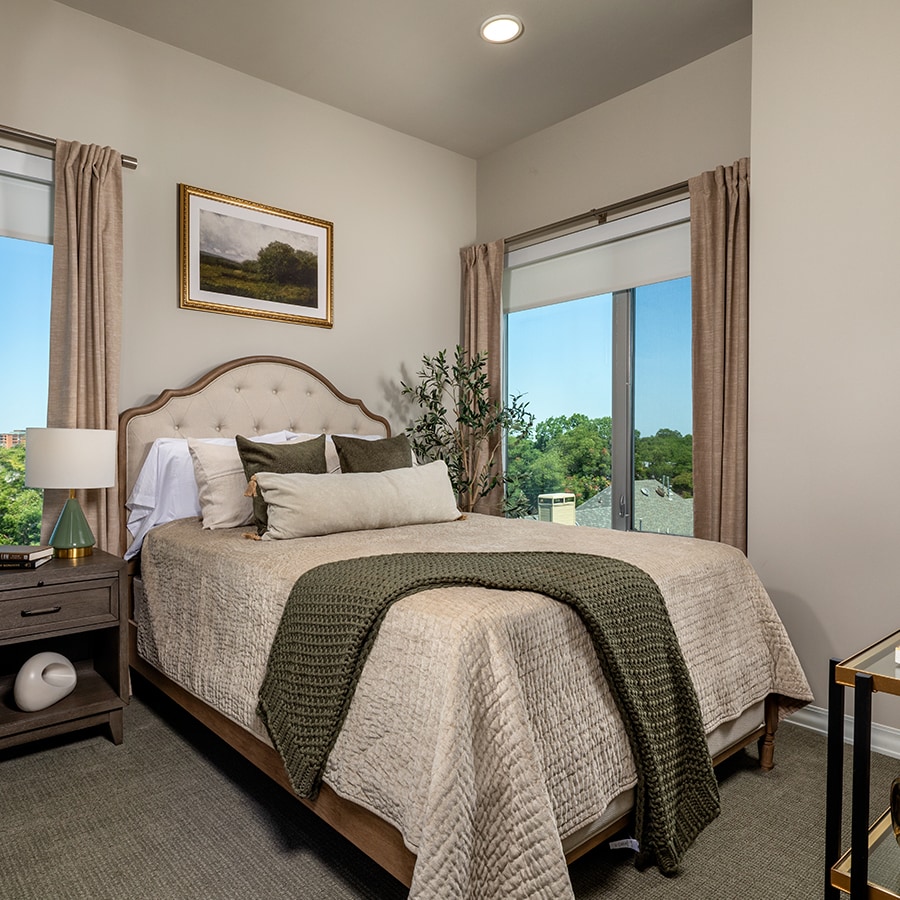
Moving into a new home can feel like a lot, especially when it also means adjusting to a new community. A truly welcoming senior living community takes that seriously from the very first day. Personal touches, like a handwritten welcome note, a favorite snack waiting in the room, or a familiar face at the door, tell you that this place already knows you matter.
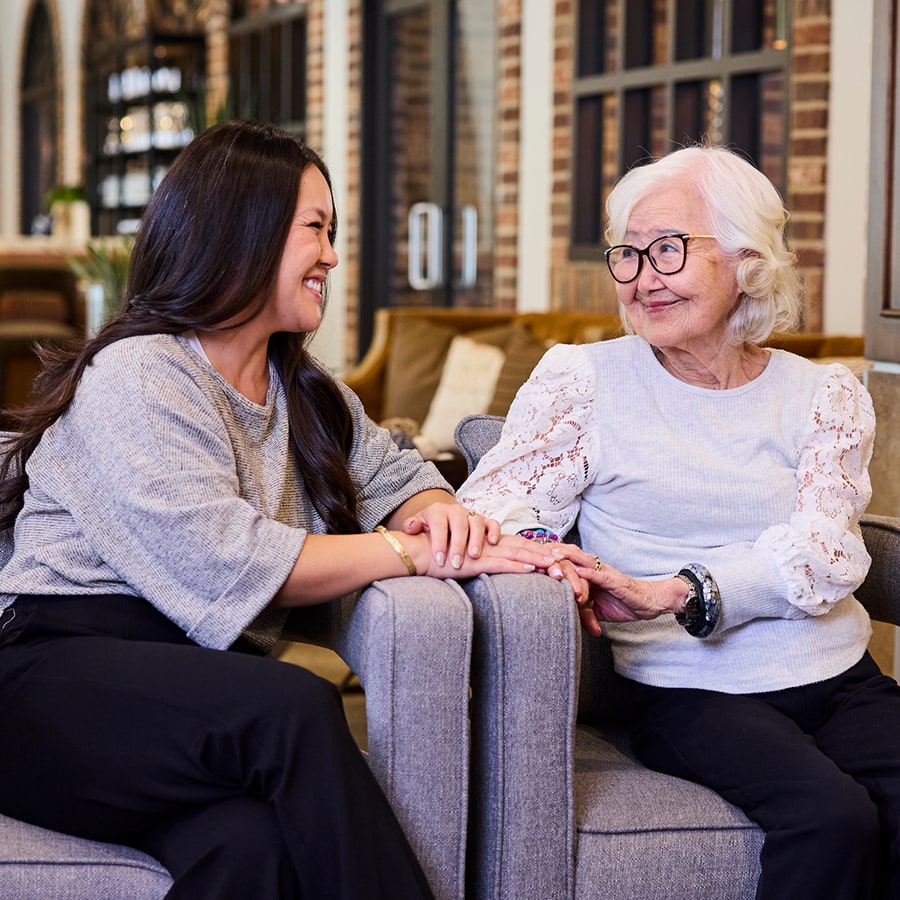
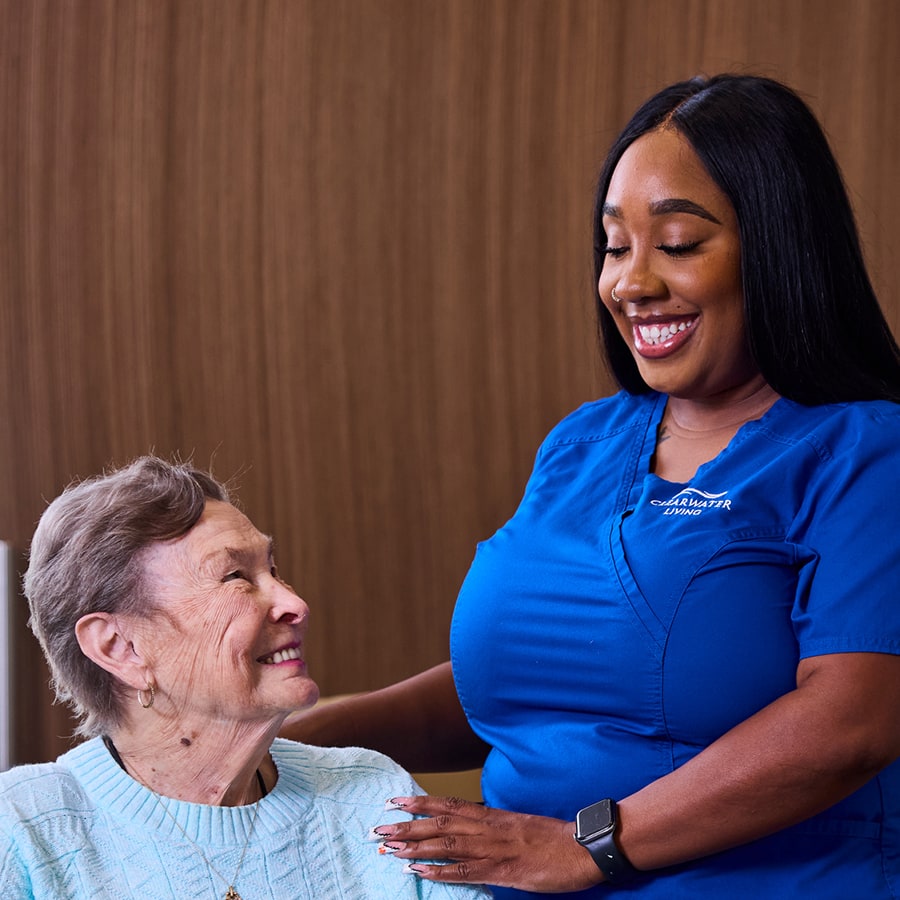
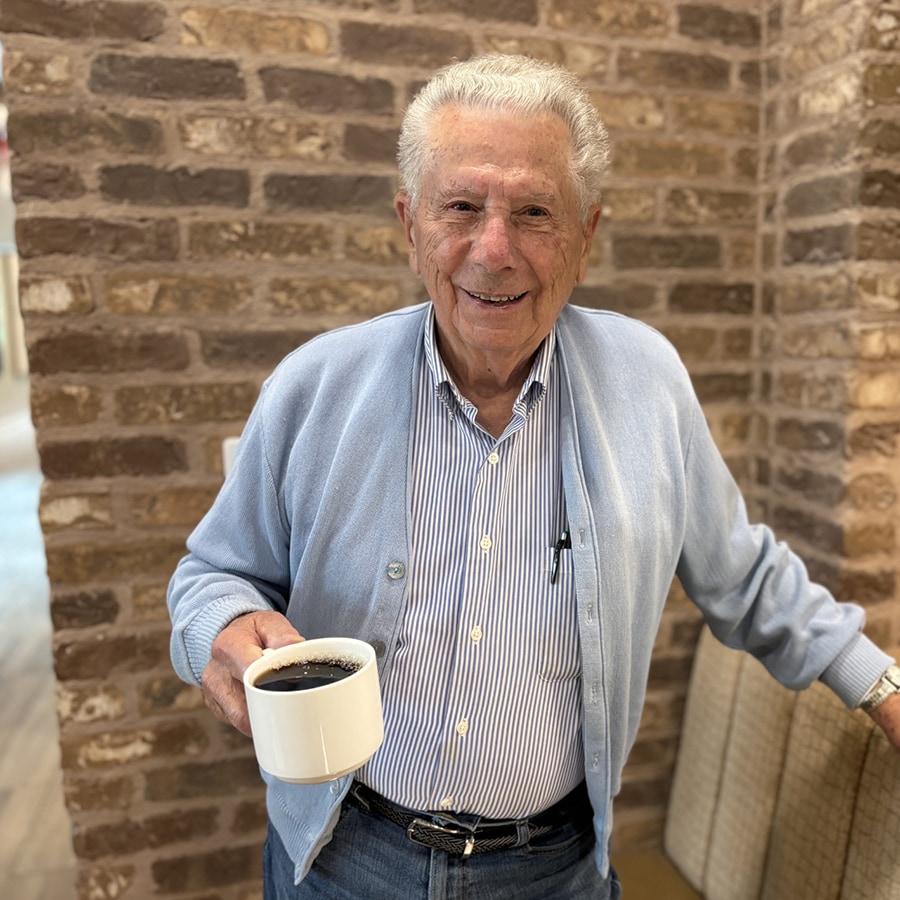
Team members in inclusive communities take time to learn names, personal preferences, and life stories early on. That’s not a small thing. When someone greets you by name and remembers that you prefer your coffee black or that you light up when talking about your grandchildren, it shifts the experience from transactional to genuinely human.
Spaces Designed for Connection
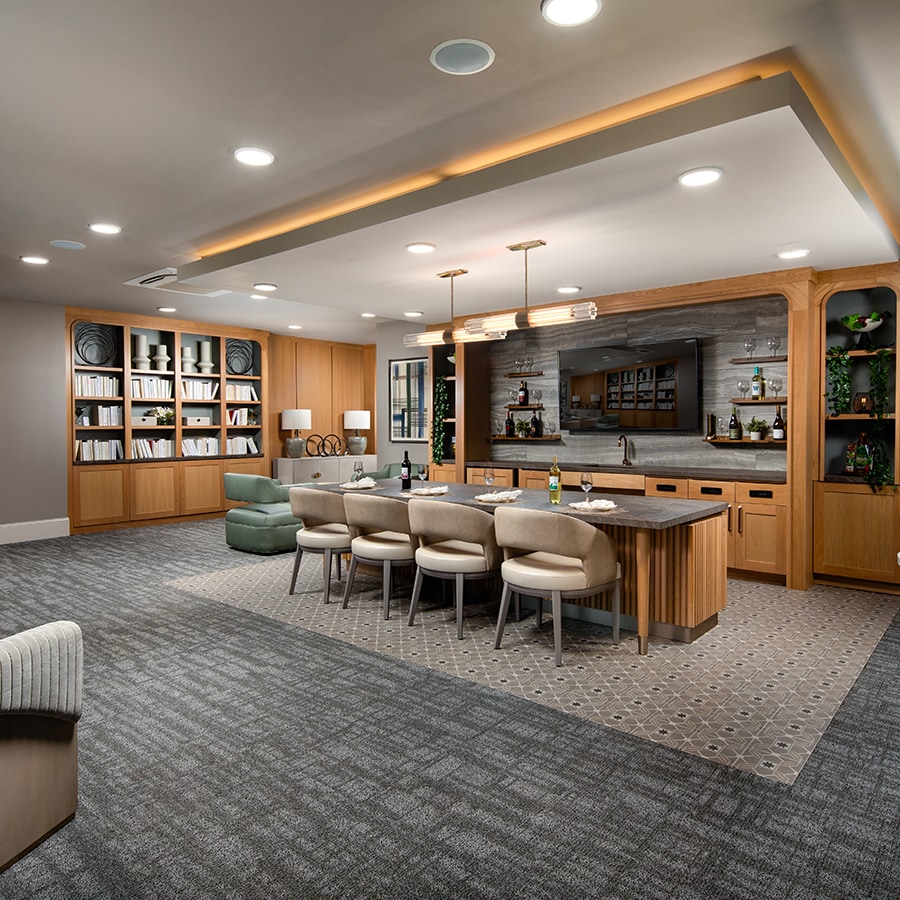
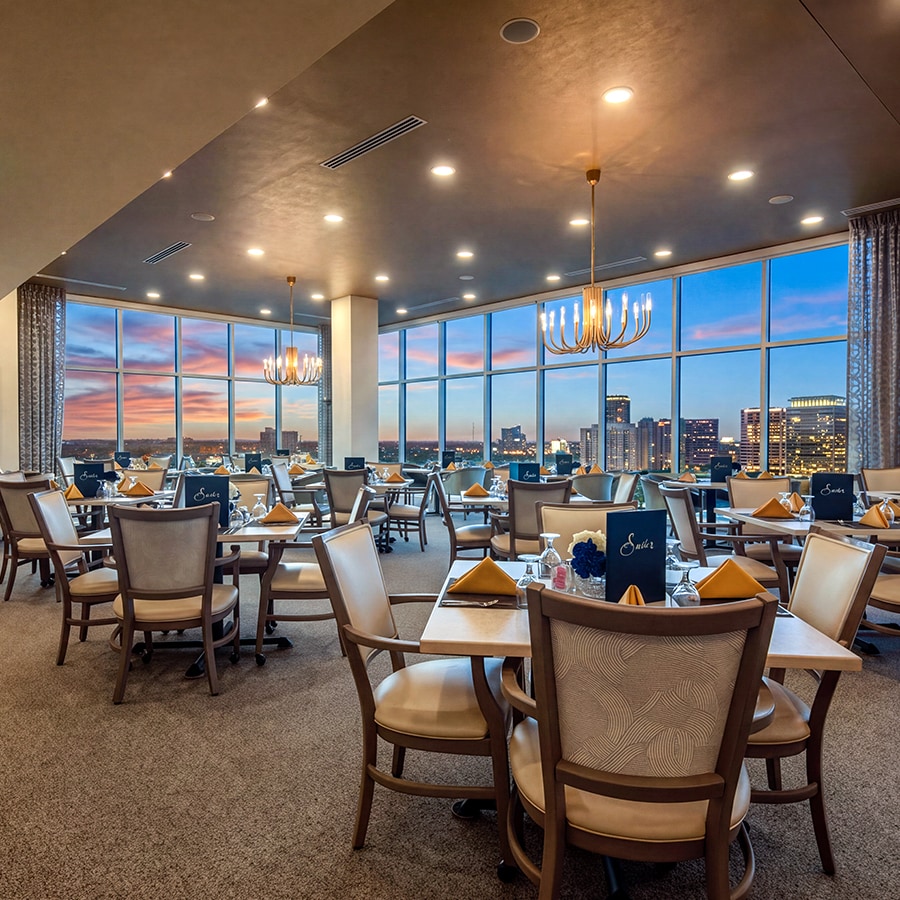
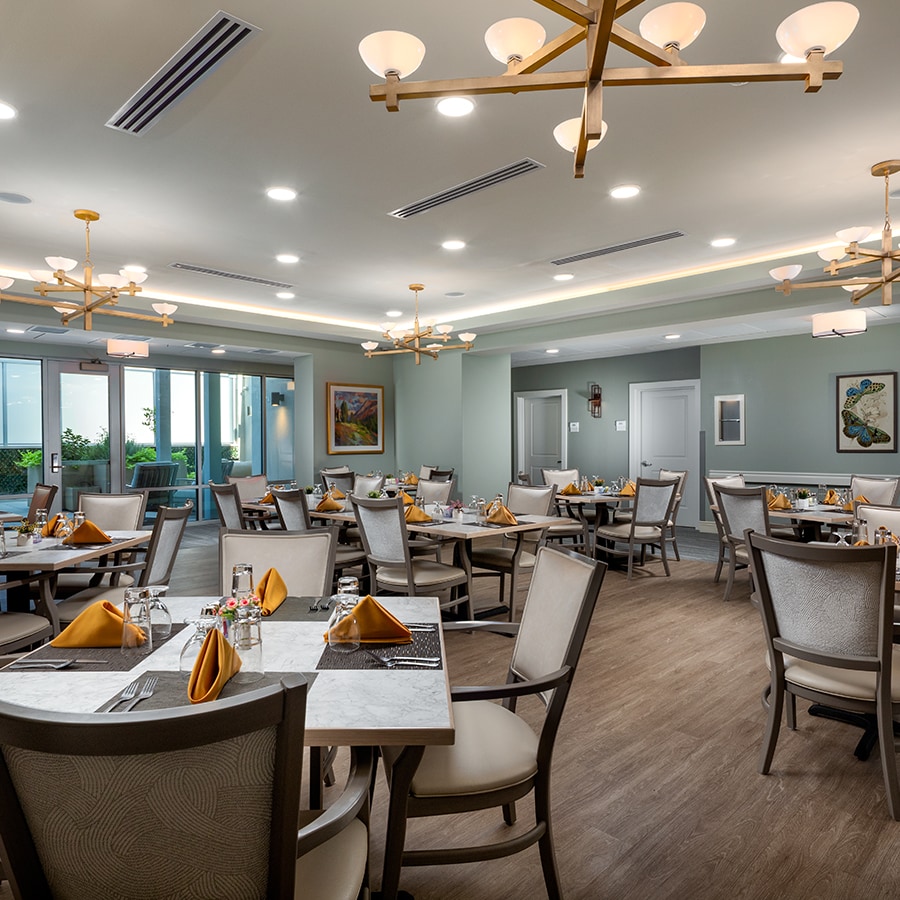
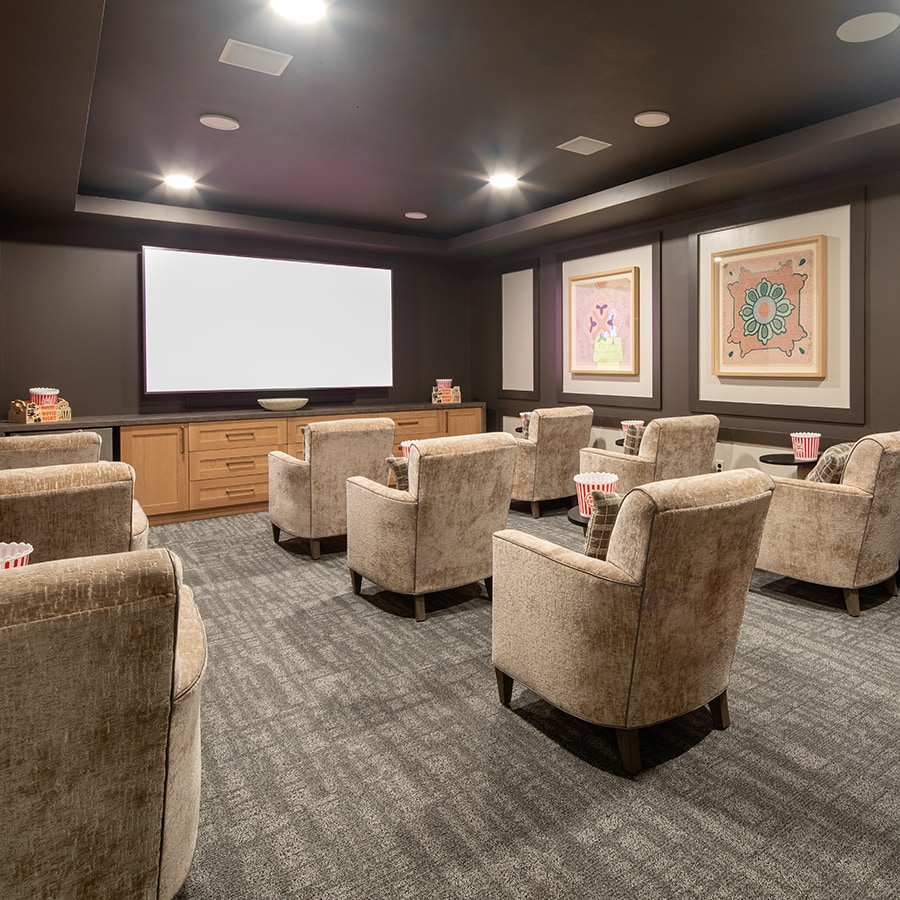
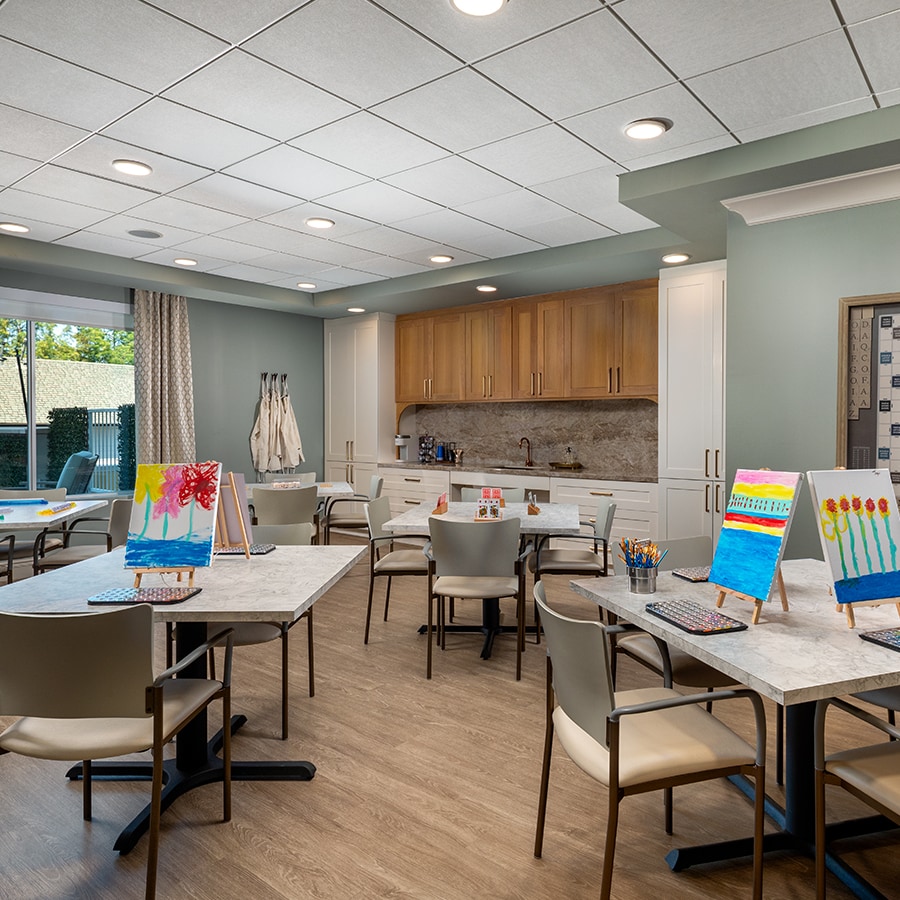
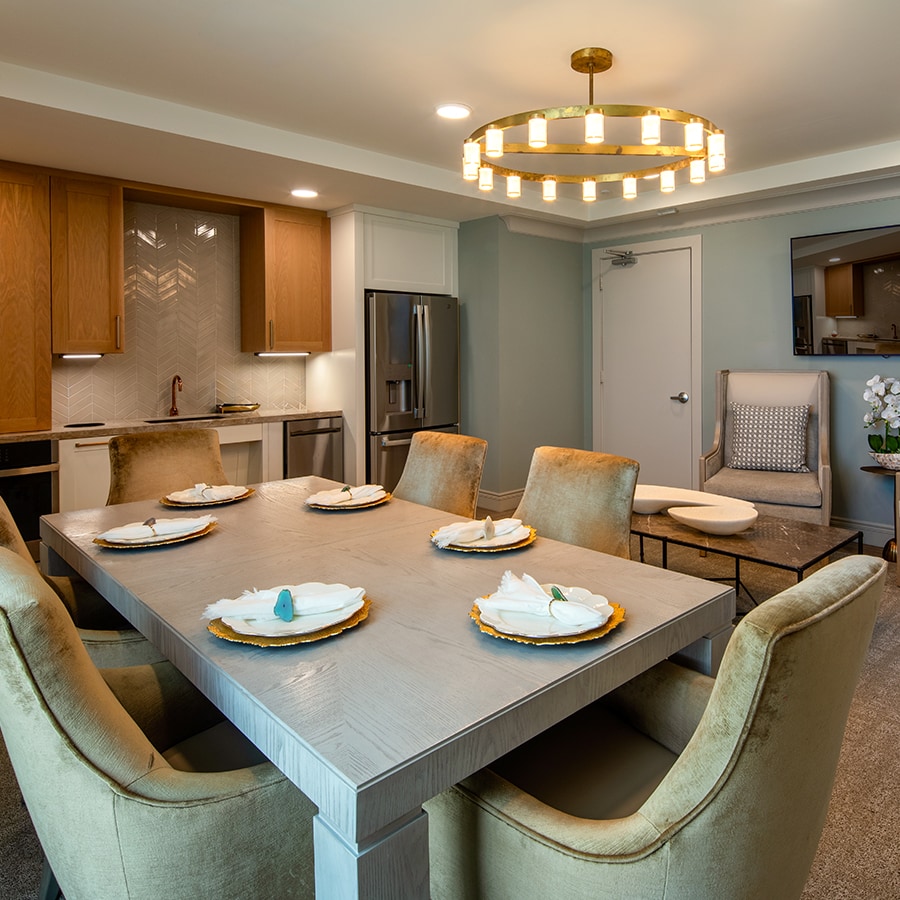
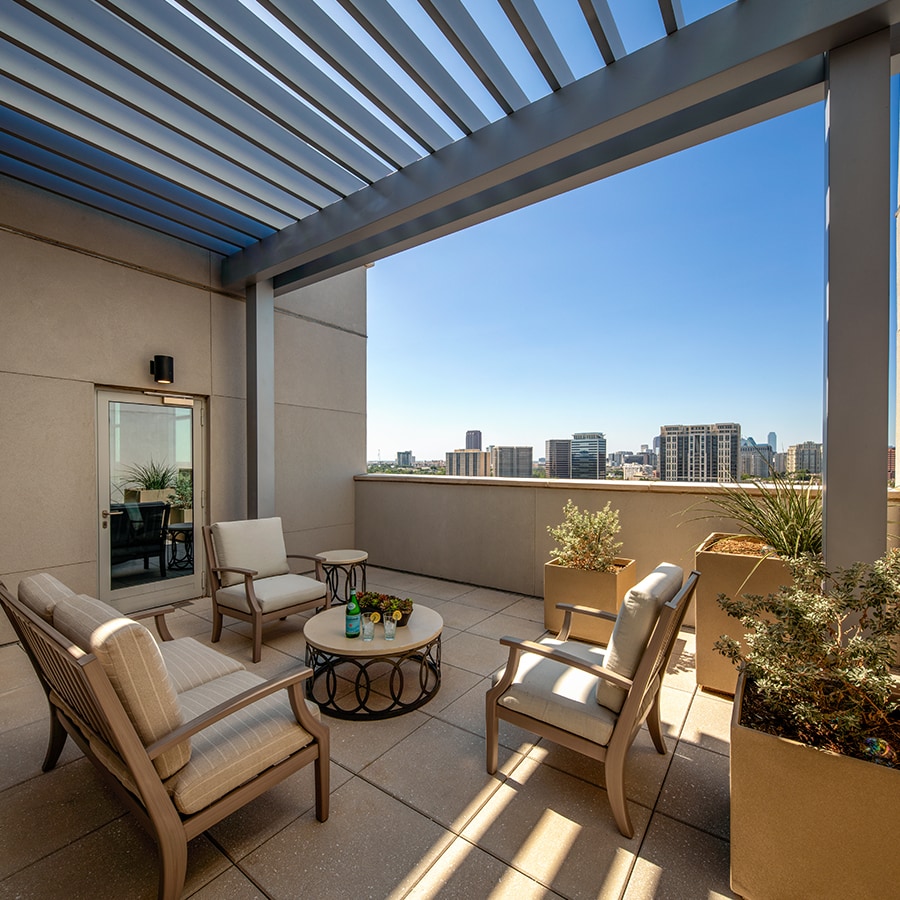
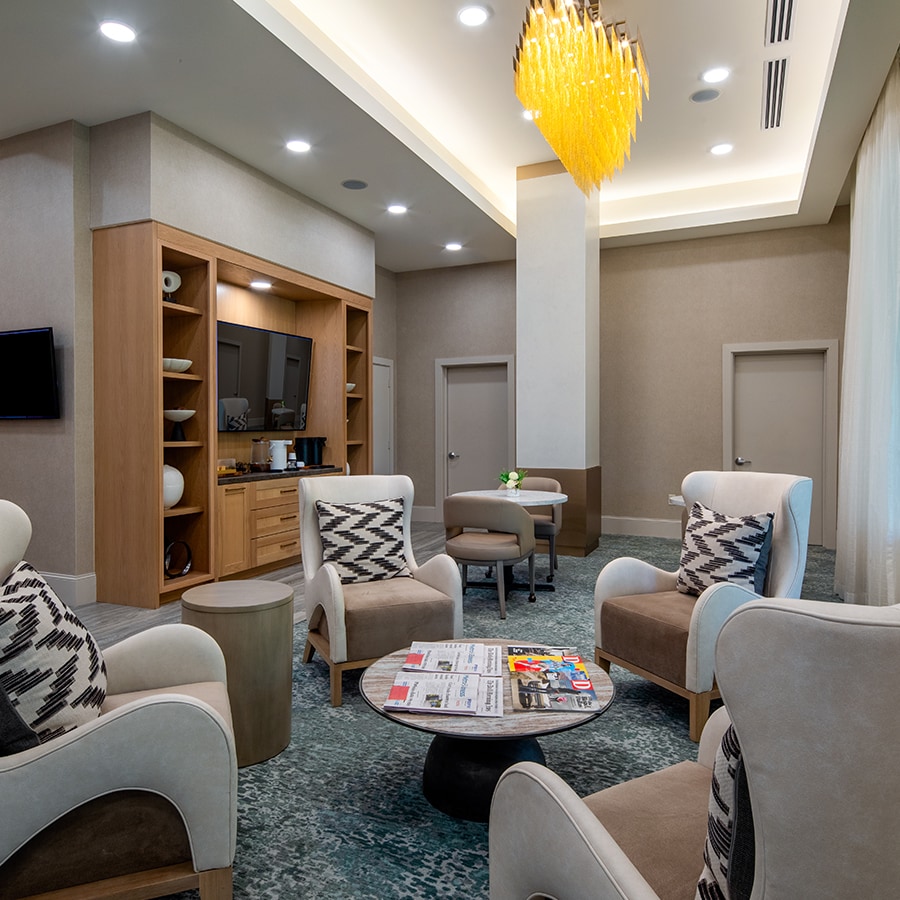
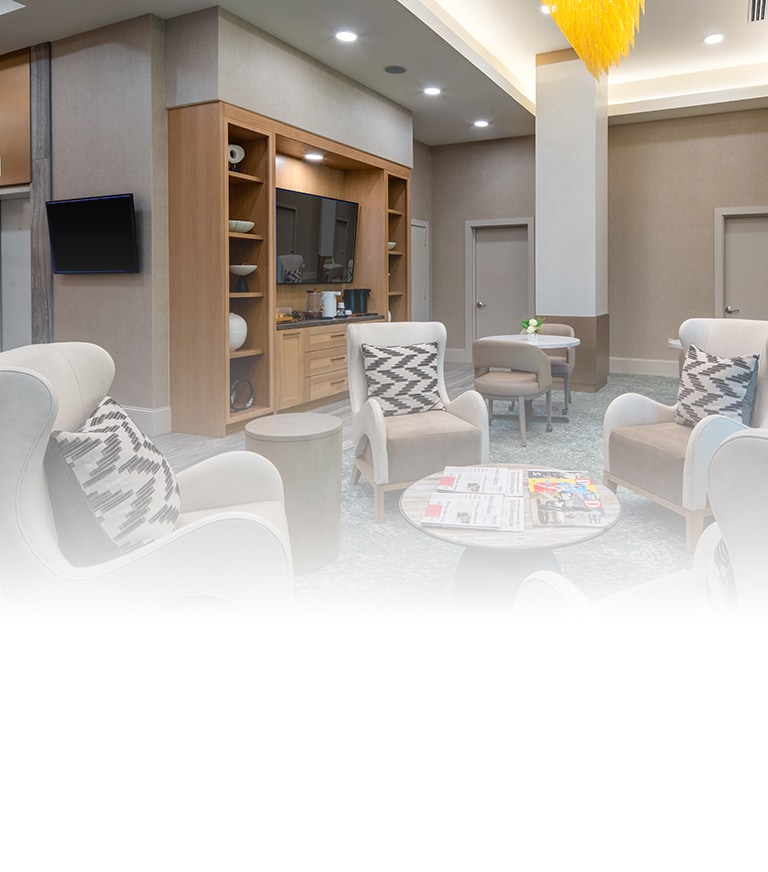
The physical environment shapes how comfortable you feel in a community. Common areas in thoughtfully designed communities invite conversation, whether that’s a sunlit lounge, a shared garden, or a lively dining room where neighbors become friends. Staying socially connected has a direct impact on well-being for older adults, making these shared spaces more than just decoration. At the same time, private spaces are respected, because belonging doesn’t mean being surrounded by people every hour of the day.
Thoughtful layouts give you options. You can join the energy of a shared moment or step back into your own quiet space, and both feel completely natural.
Culture, Identity, and Belonging in Assisted Living and Memory Support
Honoring Each Resident’s Unique Background
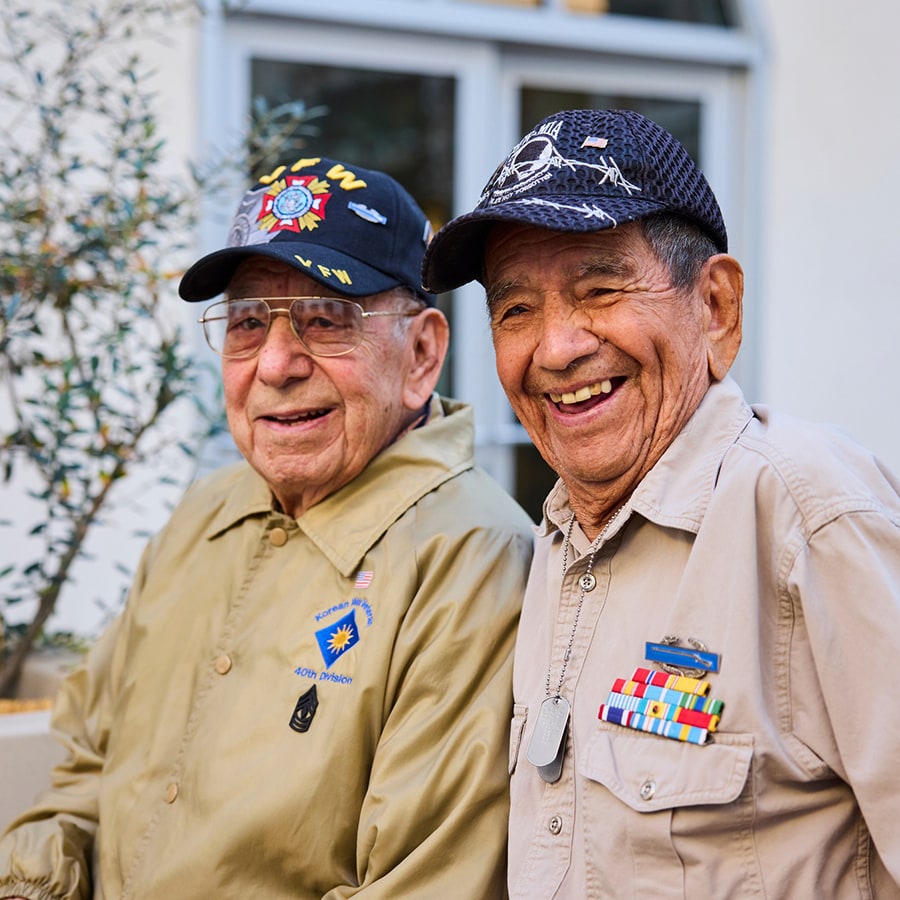
In assisted living and memory support settings, personalized care goes far beyond physical needs. Culturally relevant meals, familiar music, and meaningful celebrations tied to your heritage can make an enormous difference in how connected and at ease you feel. A care plan that reflects your values, routines, and cultural identity treats you as a whole person, not just a set of needs.
For residents in memory support, familiar cultural touchstones, like a traditional recipe, a beloved holiday ritual, or music from a specific era, can spark recognition and comfort in a way that generic programming simply can’t.
Meaningful Social Activities That Bring People Together
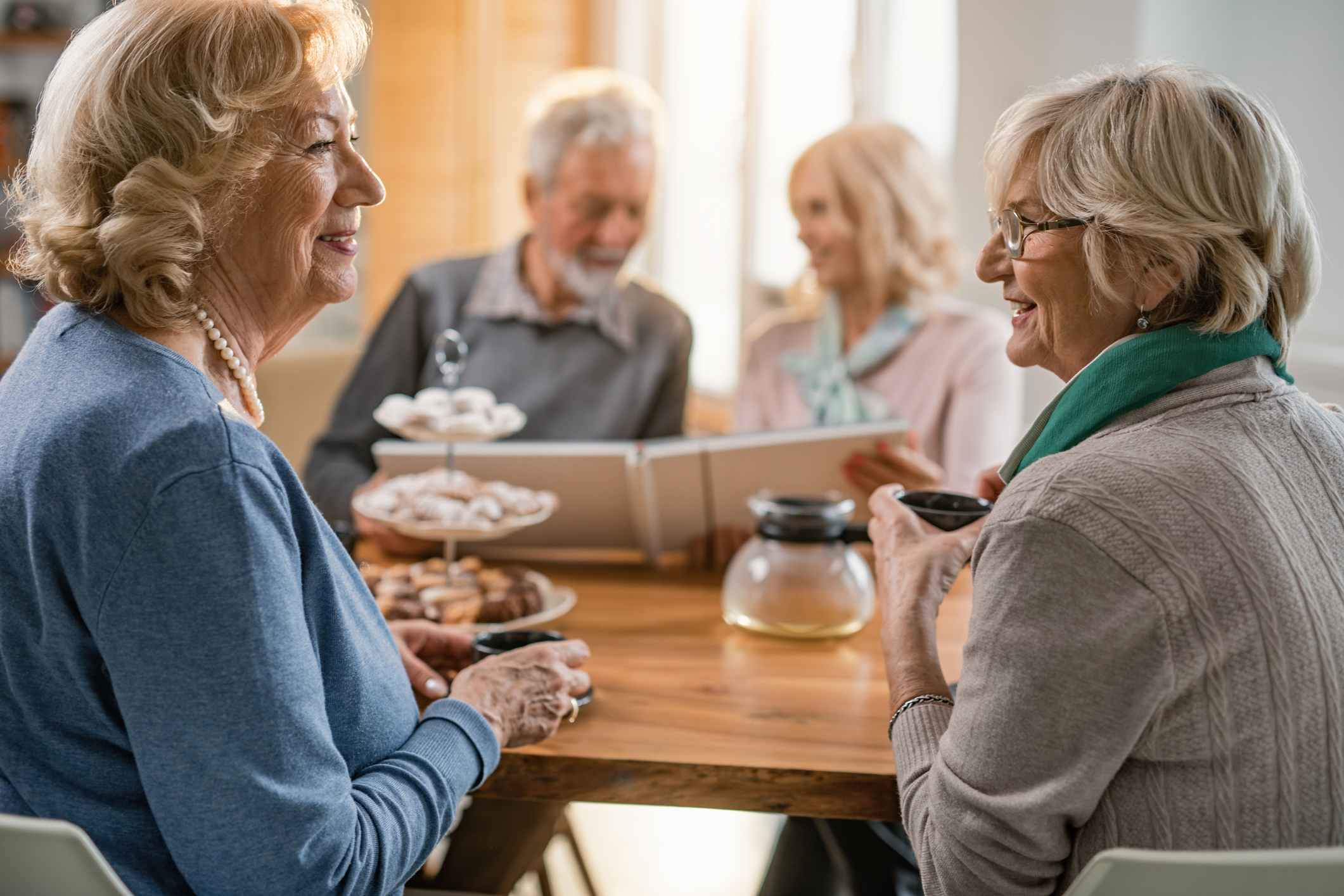
Inclusive communities shape their programming around the people who actually live there. That might look like a cultural heritage celebration one week and a resident-led storytelling circle the next. When activities reflect real interests, real histories, and real identities, they naturally bring people together rather than just filling time.
Resident-led programming is especially powerful because it puts people in the role of contributor, not just participant. You share your story, your tradition, or your talent, and the community becomes richer for it. Creative, culturally rich programming like this can reduce loneliness and increase daily engagement for older adults who thrive through the arts.
How Team Members Foster a People-First Community
Inclusion doesn’t happen by accident. It’s built through the daily choices team members make in how they speak, listen, and show up. Using respectful, dignified language with every resident interaction sets a tone that ripples through the entire community, and when team members model that behavior consistently, it becomes part of the culture.
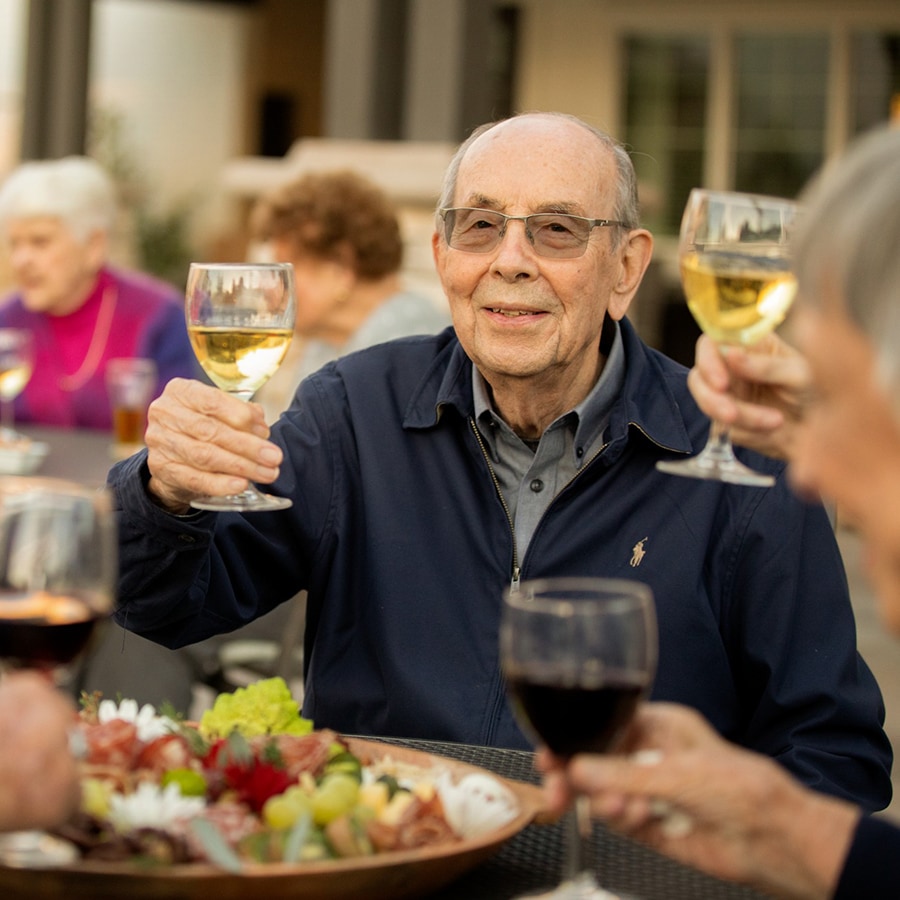
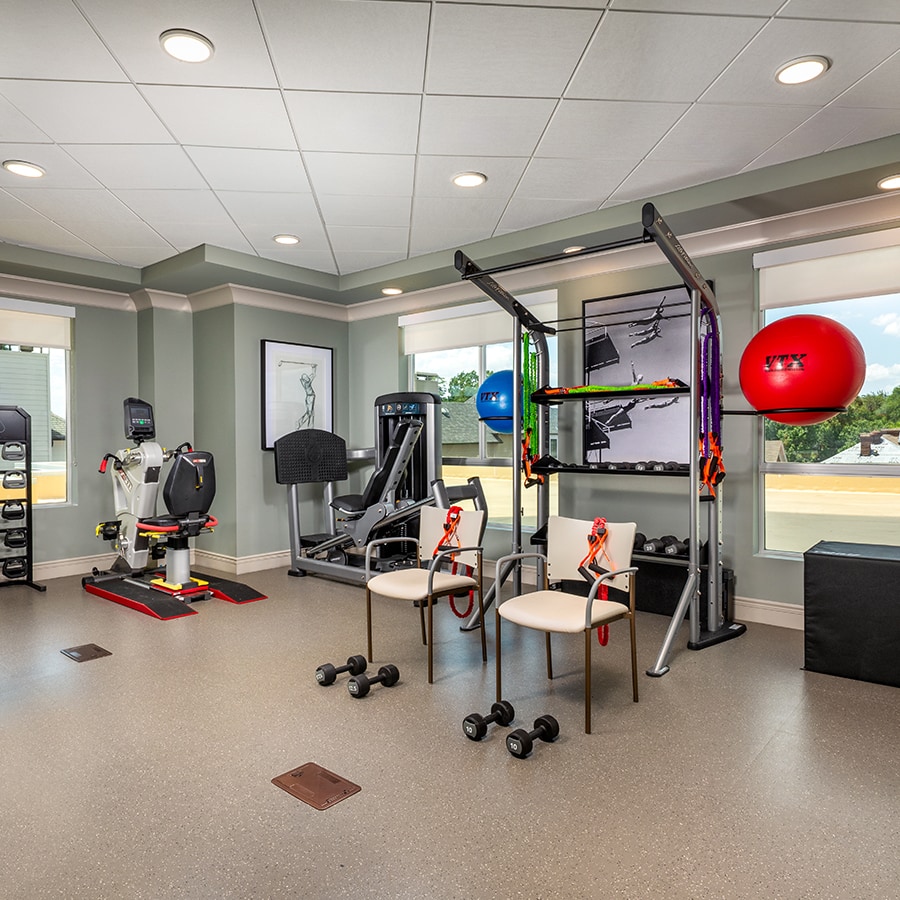
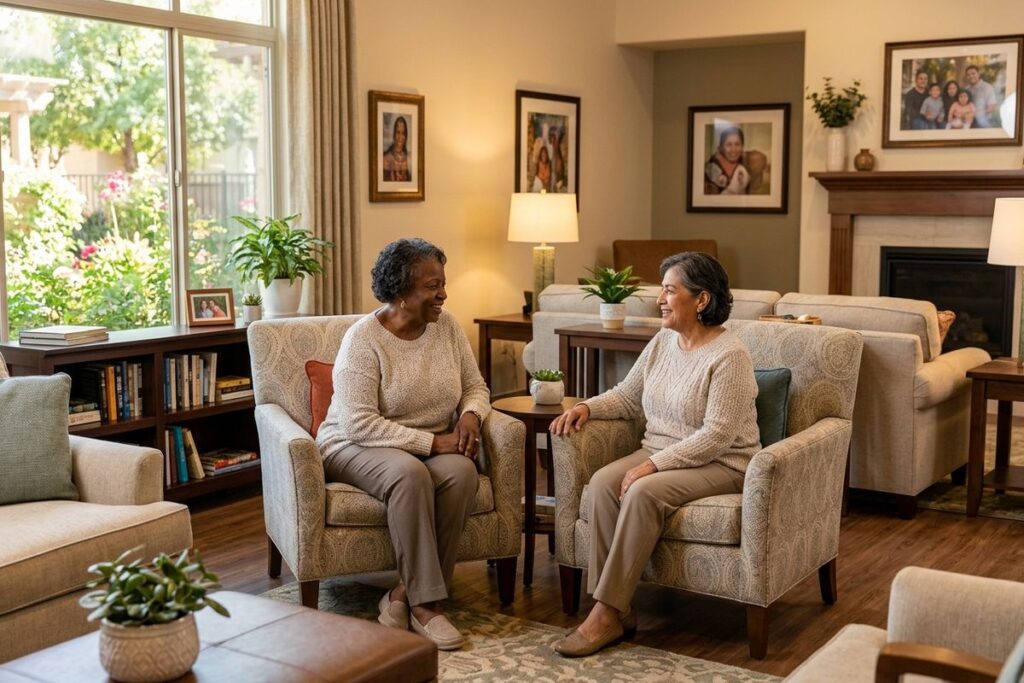
Team members who understand diverse backgrounds and identities are better equipped to connect residents with neighbors who share common ground, which is often where the most meaningful friendships begin. Staying engaged and socially active is one of the most powerful ways to support overall well-being as you age.
What to Look for When You Tour a Senior Living Community
A tour gives you more information than any brochure can. Ask direct questions about how the community celebrates diversity and different identities. Notice how team members interact with current residents and whether residents from varied backgrounds seem genuinely at home and connected to one another.
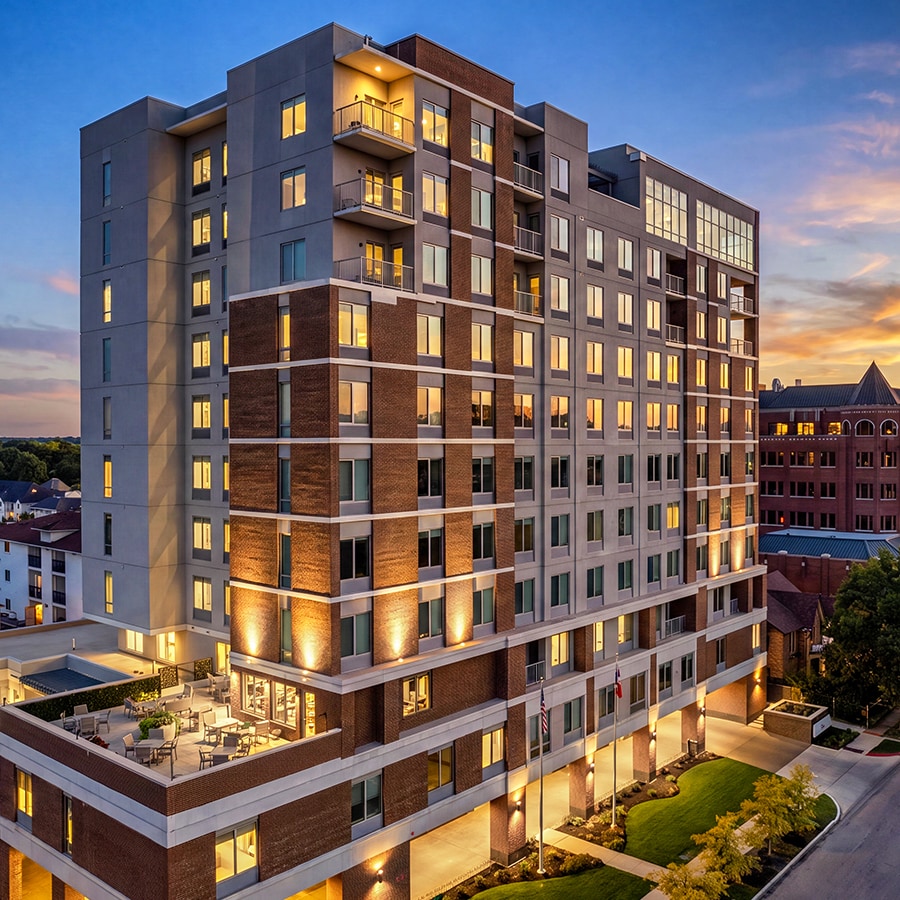
At Clearwater Highland Park, inclusion is woven into every part of daily life, from personalized care plans in assisted living and memory support to vibrant social programming in independent living. If you’re ready to experience it, reach out to our team to schedule a visit that show you everything you need to know.