
Key Takeaways
- Functional moves mirror the tasks you already do, like standing, reaching, lifting, and carrying.
- Strength and balance work together to support your independence at home.
- You can start with a sturdy chair, your own body weight, or 2 water bottles.
- Short sessions a few days a week, plus a daily walk, add up quickly.
Movement That Matches Your Real Life
When getting out of a low chair becomes more challenging, or the top shelf feels farther away than it used to, these everyday tasks may be a sign that it’s worth paying more attention to strength, balance, and mobility.
Functional fitness trains your body for movements you use in everyday life, such as standing, reaching, lifting, and walking. Practicing these movements can help you feel more confident and capable during daily activities. This is the perfect time to start because October 28th marks National Senior Health and Fitness Day, making it a perfect moment to start healthy habits.
What Functional Fitness Means
Functional fitness is exercise built around real daily motions. Think about what your body does between breakfast and bedtime. You squat to reach a low drawer, lift a laundry basket, turn to buckle a seat belt, and step up onto a curb.
Each one can involve several muscle groups at once, which is why a few well-chosen moves can work multiple areas of the body. You’re practicing movements that fit into everyday life.
Why Functional Fitness Matters as You Age
Strength, balance, and range of motion can change when they’re not used regularly. Functional training can help you continue practicing these skills, supporting better stability and helping to reduce the risk of falls and injuries in everyday life.
The bigger reward is supporting your independence. When your legs can help you rise out of a chair, and your arms can carry what you need, you may find it easier to stay involved in the activities that matter to you.
Balance & Confidence on Your Feet
Balance is a skill, and skills respond to practice. Regular balance exercises can help you practice steadier movement on stairs, curbs, and uneven surfaces.
Coordination practice also prepares you for surfaces you can’t predict, like wet tile, thick carpet, or grass at a grandchild’s soccer game. Building confidence in your balance may also make you feel more comfortable moving through your daily routine.
5 Functional Fitness Exercises for Seniors
Start with these five exercises. Move slowly, breathe normally, and keep a sturdy chair nearby for support. If you’re new to exercise or have concerns about your balance or mobility, talk with your health care provider before starting a new routine.
1. Chair Squat
Sit tall at the front edge of a sturdy chair, then stand up without using your hands. Lower back down with control. This movement can help you practice the same sit-to-stand motion you use throughout the day.
2. Overhead Press
Hold a light weight in each hand at shoulder height, then press straight up. This exercise works the muscles in your shoulders and arms and can help you practice reaching overhead.
3. High-Knee Balance Hold
Stand near a counter, lift one knee to hip height, and hold for 15 seconds. Switch sides. Keep a fingertip on the counter or another stable surface until you feel comfortable performing the exercise without support.
4. Weighted Pull From Squat
Set a light weight on the floor, squat down with a comfortable, neutral back position, grip it, and stand tall. This movement practices lowering toward the floor and lifting an object, similar to handling groceries or laundry.
5. Farmer’s Walk
Hold a weight in each hand, stand tall with relaxed shoulders, and walk 20 steps with control. Focus on maintaining good posture and controlled steps rather than speed.
Simple Equipment Options
You can use a few items help you build strength, balance, and confidence, such as:
- Your own body weight, especially for squats and balance holds.
- Light hand weights, starting around 2 to 3 pounds.
- Resistance bands for presses and pulls
- Full water bottles or canned goods when you’re at home
How to Start Safely & Stay Consistent
Start with exercises that feel manageable and build up gradually. If standing from a chair is the sticking point, start there and keep a sturdy chair or counter within reach for support.
Pay attention to what your body tells you. You may notice your muscles working or feeling challenged during an exercise. If you feel sharp or persistent pain, stop and reassess the movement. If an exercise doesn’t feel right, try a smaller range of motion or ask a qualified health professional for guidance.
How Often to Move Each Week
Short sessions a few days a week can be easier to maintain than one long workout. Fifteen minutes, a few times a week, can be a manageable starting point for building a routine.
Then add walking on the other days at a comfortable pace. A lap around the block, a stroll to lunch, or a walk through the neighborhood with a friend all count.
Movement That Fits Your Day
Small, steady effort can become a meaningful part of your routine. A few weeks of chair squats and farmer’s walks can help you continue practicing the movements you use throughout the day.
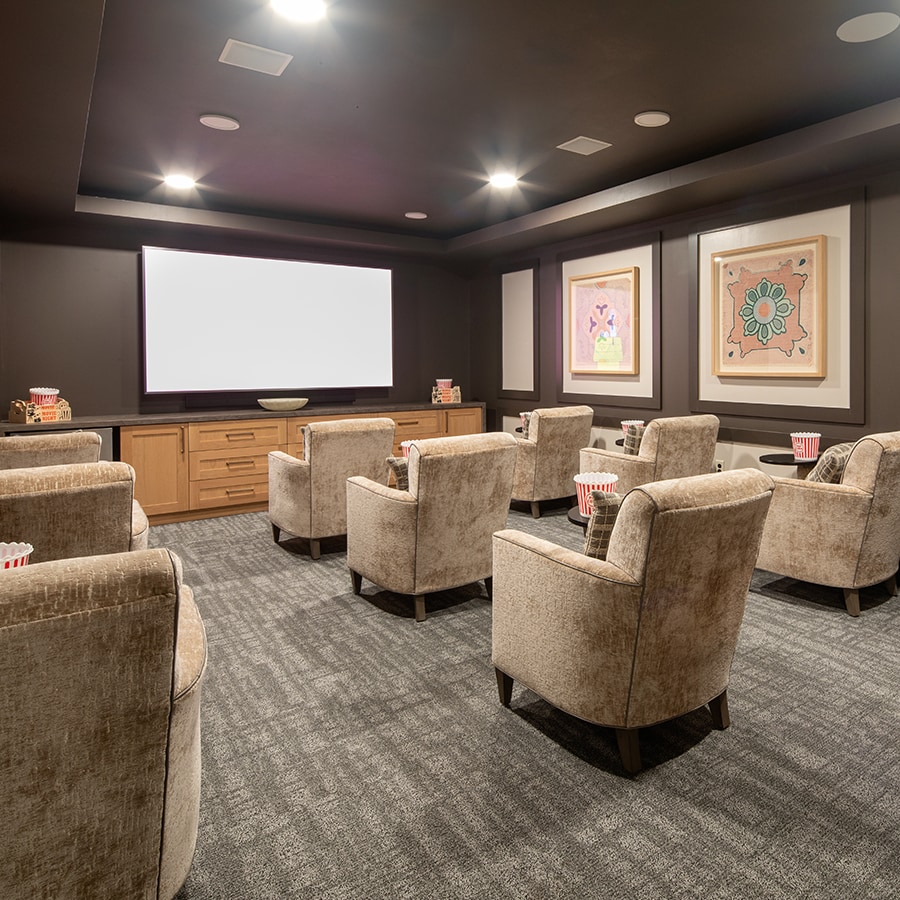
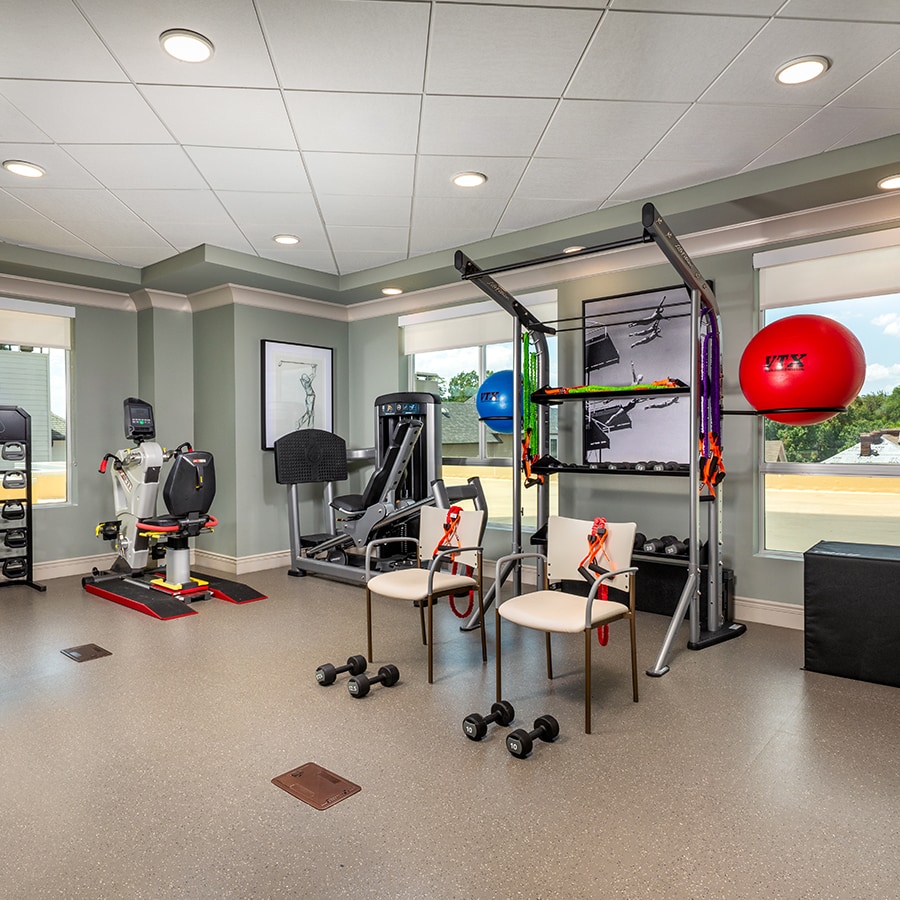
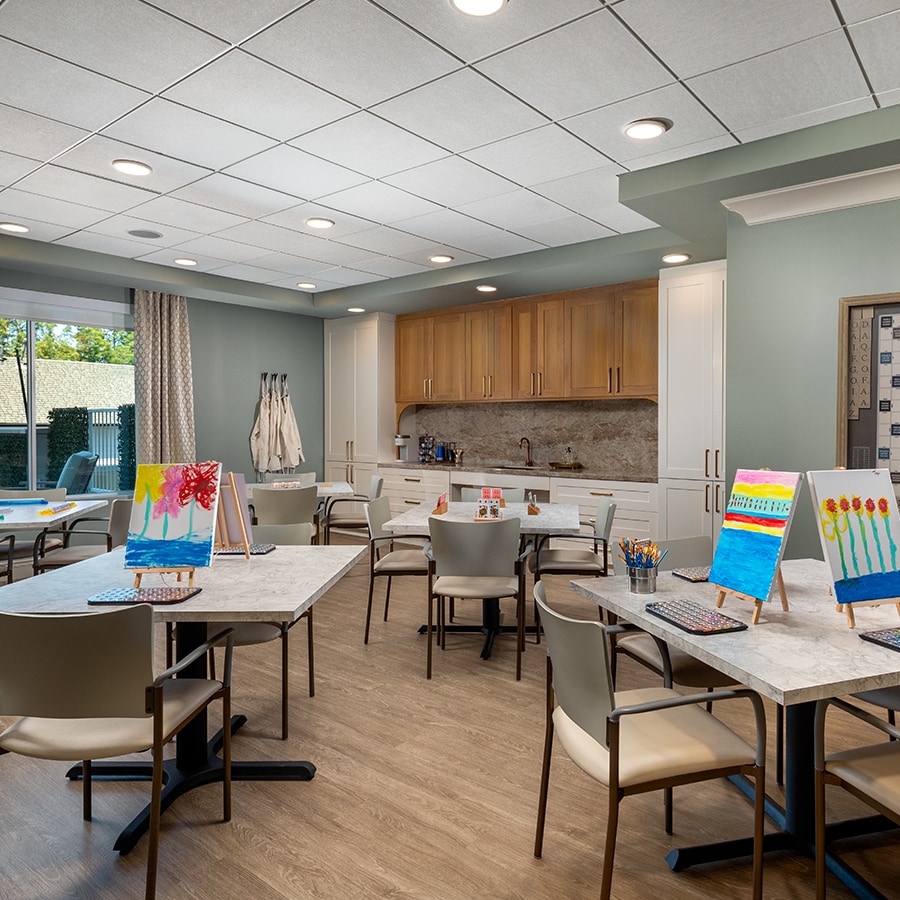
At Clearwater Highland Park, residents find fitness programming, encouragement from team members, and neighbors who make showing up the highlight of the day. Reach out to schedule a visit and see what an active day here looks like.